Ngorongoro Conservation Area
About Ngorongoro Conservation Area
Ngorongoro Conservation Area, a UNESCO World Heritage Site in northern Tanzania, is one of Africa’s most extraordinary natural treasures. Anchored by the awe-inspiring Ngorongoro Crater — the world’s largest intact volcanic caldera — this expansive conservation area spans highland plains, savannas, woodlands, and forests.
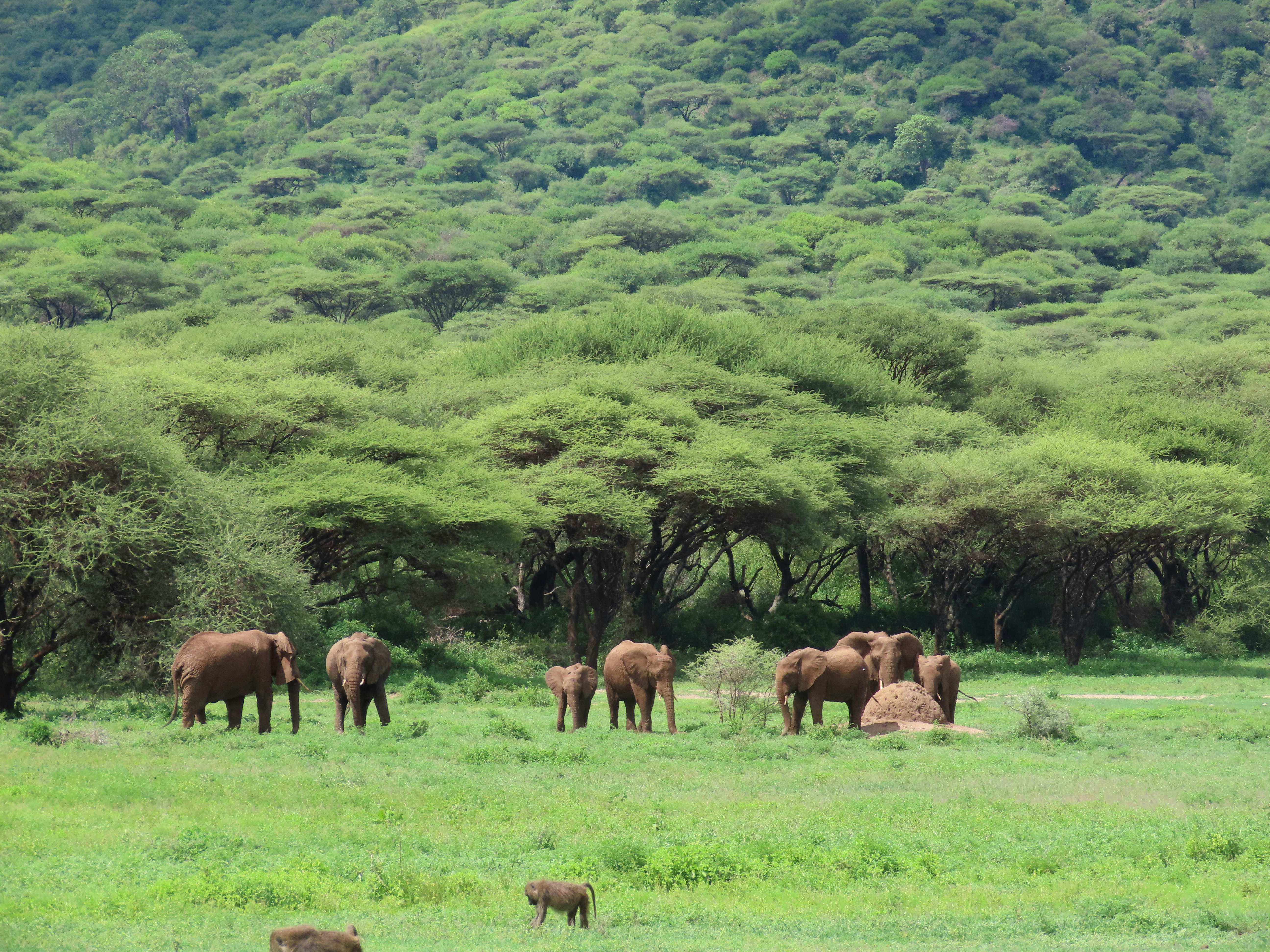
The crater itself is a breathtaking geological wonder formed millions of years ago when a giant volcano collapsed inward. Its grassy plains, lakes, swamps, and woodlands support a rich and accessible array of wildlife, including lions, African buffalo, elephants, black rhinoceros, cheetahs, and thousands of wildebeest and zebras. Birdlife flourishes here too, with more than 500 species recorded, from flamingos to raptors.
Ngorongoro is unique for its blend of nature and culture. Semi-nomadic Maasai pastoralists have grazed their livestock here for centuries, coexisting with wildlife in an age-old tradition that enriches the visitor experience. Beyond the crater, the conservation area also contains important archaeological sites like Olduvai Gorge, where early human fossils have illuminated our evolutionary history.
This superb destination offers unforgettable safari experiences, superb photographic opportunities, and unforgettable encounters with some of Africa’s most iconic wildlife — making it a highlight of any Tanzania itinerary.